Smart Carb Choices That Support Fullness
This article may contain affiliate links. If you choose to purchase through our links, Well-Being Plus may earn a commission at no extra cost to you.
Carbs are not the enemy
Carbohydrates have spent years being misunderstood. The truth is far less dramatic: carbs are simply one of the body's main energy sources, and most traditional eating patterns around the world include them in some form. The interesting question is not whether to eat carbs, but which ones to lean on day to day. Choosing minimally processed, whole-food carbs is a simple and flexible way to make meals more satisfying.
What "whole-food carbs" actually means
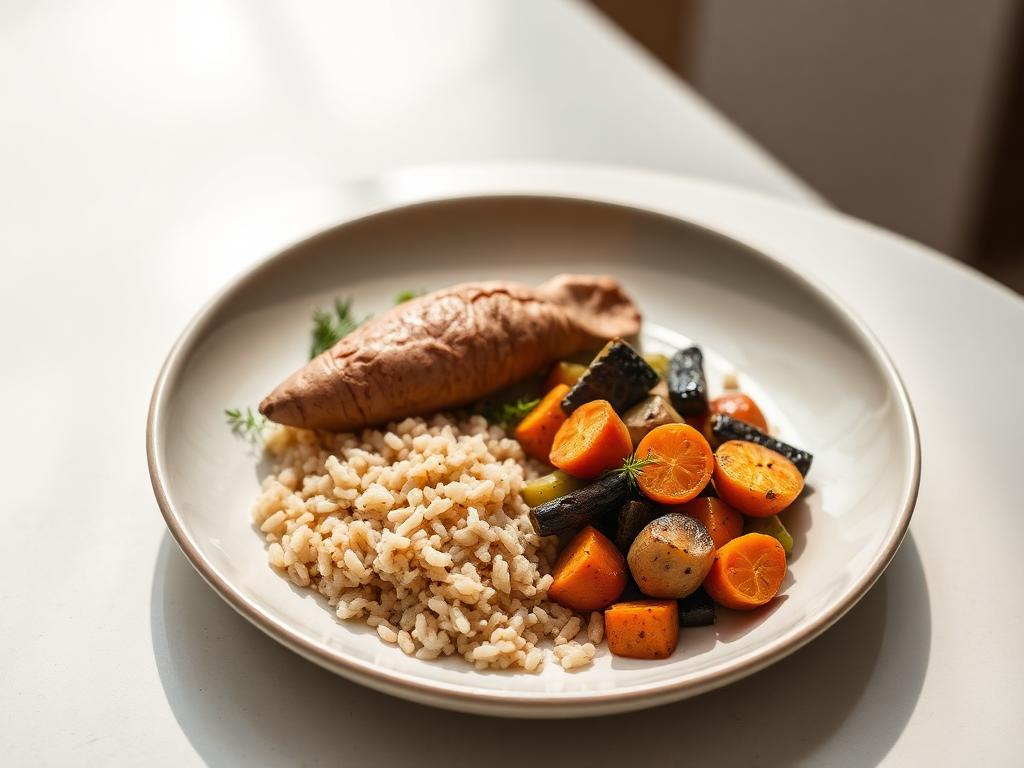
Foods like sweet potatoes, regular potatoes with the skin, oats, brown rice, quinoa, beans, lentils, whole-grain bread, whole-wheat pasta, barley, and corn are common examples of minimally processed carbohydrates. They tend to keep more of their natural fiber, which gives meals more substance. Fruit also belongs in this category — whole fruit comes packaged with fiber, water, and a pleasant natural sweetness.
Pair carbs with protein and vegetables
A whole-food carb on its own can feel a bit one-note. Combining it with a source of protein and some vegetables is a simple way to build a plate that feels complete and satisfying. Think rice with beans and roasted peppers, or pasta with chickpeas, spinach, and olive oil. For more on this approach, see our companion article on protein and fiber.
Keep variety in mind across the week
Rotating different grains, beans, and starchy vegetables across the week keeps meals interesting and adds variety to your plate. A simple way to do this is to pick three or four staples for the week — say oats, brown rice, lentils, and sweet potato — and build different meals around them. Variety also tends to make eating feel less like a project and more like cooking.
Refined vs. minimally processed
Refined carbs — white bread, many packaged snacks, sugary cereals — are not forbidden. They are simply less filling per bite, so it is easier to eat a lot of them without feeling especially satisfied afterward. A friendly approach is to lean on whole-food carbs most of the time and let refined options stay in the picture for celebrations, social meals, and the foods you genuinely love. That balance tends to be far more sustainable than strict rules.
Want to learn more about this wellness solution?
Watch the Free VideoEasy carb upgrades you can try this week
Swap white rice for brown rice or quinoa half the time. Choose whole-grain bread when you are buying a loaf. Try oats for breakfast a few times a week. Roast a tray of sweet potatoes on Sunday and use them across several meals. Keep a can of beans in the pantry for instant fiber. None of these require new skills — they are mostly small swaps you make at the store.
Listen to how meals feel
Pay gentle attention to how you feel an hour or two after meals. Did the meal carry you to the next one comfortably? Did you feel satisfied without feeling heavy? These small signals are more useful than any food rule. Over time, they help you tune your plate to your own rhythm. If you have specific dietary needs or health considerations, a registered dietitian can help personalize the approach.
Building a friendly long-term pattern
The goal is not perfection. It is a relaxed, repeatable pattern: whole-food carbs most of the time, paired with protein and vegetables, with room for the meals and treats that make life enjoyable. That is the kind of pattern that quietly supports daily energy and tends to stick around for years rather than weeks.
Explore the full guide and see if this approach fits your wellness goals.
Continue to Partner Page