How Protein and Fiber Help Meals Feel More Satisfying
This article may contain affiliate links. If you choose to purchase through our links, Well-Being Plus may earn a commission at no extra cost to you.
Why balanced meals matter
Building meals around whole foods is one of the simplest ways to support a balanced daily routine. When meals include a thoughtful mix of nutrients — especially protein and fiber — many people find their energy and focus feel steadier through the day. The idea is not to follow a strict rulebook. It is to give the body a familiar, repeatable structure: something colorful, something filling, and something that genuinely tastes good. Over time, that small shift in how you assemble a plate can quietly reshape how a meal feels an hour later.
The role of protein on your plate
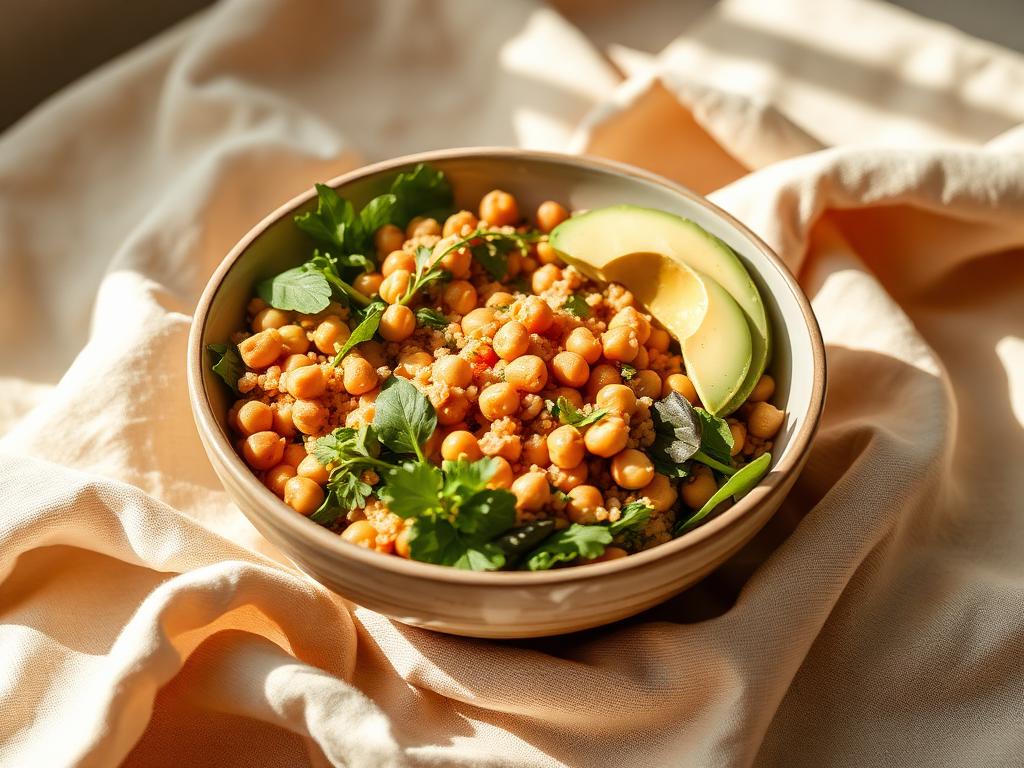
Protein-rich foods such as eggs, beans, fish, tofu, lean meats, Greek yogurt, lentils, edamame, and cottage cheese are commonly included in balanced eating patterns. They tend to be satisfying, pair well with vegetables and whole grains, and bring a sense of substance to a meal. A useful starting point is to include a clear protein source at each main meal of the day. Variety helps too — rotating between plant and animal sources across the week keeps things interesting and broadens the range of nutrients on your plate.
The role of fiber in feeling full
Fiber comes from plant foods like vegetables, fruits, whole grains, beans, nuts, and seeds. Including a variety of these foods is a gentle way to add color, texture, and substance to your plate. Fiber is also one of the simplest things to add — a handful of berries on yogurt, beans tossed into a salad, or oats at breakfast can quietly raise the fiber content of a day without much effort. Many people notice that fiber-rich meals feel more grounding and tend to satisfy for longer than the same calories from refined options.
Why protein and fiber work well together
Protein and fiber complement each other in a meal. Protein adds richness and staying power; fiber adds bulk, texture, and a sense of fullness. Together they help create a plate that feels complete rather than one that leaves you searching the kitchen an hour later. This is also why simple combinations — eggs with sautéed greens, beans with brown rice, salmon with roasted vegetables — have been kitchen staples for generations. They are not magic. They are just well-balanced.
A simple plate template
If you want a no-math approach, try this: half your plate vegetables or fruit, a quarter protein, and a quarter whole grains or starchy vegetables. Add a small amount of healthy fat like olive oil, avocado, or a few nuts. This template works for almost any cuisine — a grain bowl, a stir-fry, a Mediterranean plate, a taco night. It is flexible by design, which is part of why it tends to stick. For more on the carbohydrate side of the plate, see our companion read on smart carb choices.
Want to learn more about this wellness solution?
Watch the Free VideoEasy ways to add more fiber and protein
Small swaps add up. Stir a spoonful of chia or ground flaxseed into oatmeal or yogurt. Add lentils to a soup. Choose whole-grain bread or pasta most of the time. Keep a can of beans in the pantry as a quick add-in for salads, wraps, or grain bowls. Snack on a handful of nuts and a piece of fruit instead of something purely sugary. None of these are dramatic — and that is the point. Sustainable eating habits tend to be the ones that feel almost too easy.
Common questions and gentle clarifications
Do you need a special powder or supplement? For most people building everyday meals, no — whole foods cover the basics. Should every meal hit a perfect ratio? Also no. Aiming for balance most of the time, while staying flexible around social meals and travel, tends to be more realistic than chasing precision. The point is a friendly, repeatable rhythm rather than a strict checklist.
Build the habit one meal at a time
Pick one meal of the day to focus on first — many people start with breakfast or lunch because they are easier to control. Plan two or three go-to combinations you genuinely enjoy and rotate them. Once that meal feels automatic, apply the same approach to the next one. A small, consistent change is far more powerful than an ambitious overhaul that fades after two weeks. If you have specific dietary needs or health considerations, a registered dietitian or qualified healthcare professional can help personalize the approach.
Explore the full guide and see if this approach fits your wellness goals.
Continue to Partner Page